The Morning Routine Case for Mouthwash Tablets: Why More People Are Making the Switch
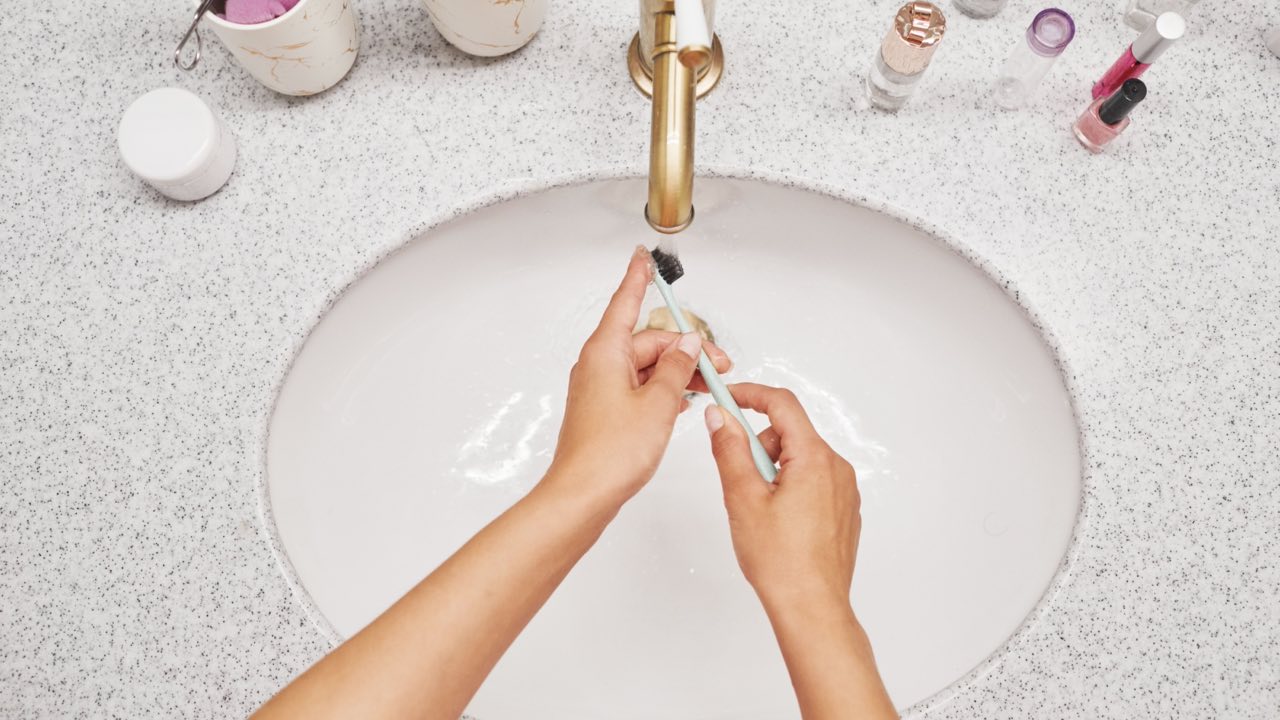
My bathroom counter used to have three bottles on it that I never quite finished before I bought new ones: a bottle of mouthwash, a bottle of hand soap, and a bottle of shampoo. The mouthwash was the worst offender. It lasted long enough that I couldn’t remember when I’d bought it, took up more shelf space than anything else in my oral care setup, and produced a slightly sticky residue around the cap that I cleaned approximately never.
I switched to mouthwash tablets about eight months ago, initially because a friend wouldn’t stop talking about them. I’ve been paying attention to the experience since then, partly because I was curious whether the format would actually stick and partly because the reasons I kept using it turned out to be different from the reasons I started.
The First Thing I Noticed Wasn’t the Sustainability Angle
The obvious pitch for mouthwash tablets is environmental. No plastic bottle, concentrated format, less shipping waste. I was aware of that going in, and it’s a real benefit. But it’s not what made me keep using them.
The first thing I actually noticed was how much simpler the counter got. A small tin takes up a fraction of the space a mouthwash bottle does. It sits next to my toothbrush without dominating the surface. When I travel, it goes in a small toiletry bag with no liquid restrictions and no anxiety about whether the cap is tight enough. The compactness is a quality-of-life improvement that I hadn’t specifically thought about before switching, and it turned out to matter more to my daily experience than the environmental story did.
The second thing I noticed was that I ran out and had to reorder, which hadn’t happened with liquid mouthwash in years. With a bottle, I’d get toward the end and start using less per rinse to stretch it out, then eventually either finish it or forget about it for a while. With tablets, you know exactly how many you have left, you can see the tin getting light, and the finite count creates a different relationship with the product. I ordered a refill before I ran out. That’s new behavior for me in this category.
The Routine Integration Is More Natural Than I Expected
Before switching, I’d imagined that adding a dissolution step to the morning routine would feel like friction — an extra thing to do before I could start rinsing. In practice it’s not noticeable. Drop a tablet in a small cup, brush my teeth while it dissolves, rinse when I’m done brushing. The time I spend waiting for the tablet to dissolve is time I would have been brushing anyway.
The ritual element is actually appealing in a way I hadn’t anticipated. There’s something satisfying about watching the effervescence work — it’s more visually interesting than unscrewing a cap and pouring a measure of liquid, and the small visual event signals the start of the rinse in a way that feels deliberate rather than automatic. I’m not suggesting that’s a significant benefit, but the morning routine is full of small sensory experiences, and this one is pleasant rather than neutral.
What didn’t work for me was using tablets at night when I’m tired and less patient. The dissolution time — not long, but not instant — feels different at 11pm than it does at 7am. I’ve settled into using tablets in the morning and occasionally at other times, which is probably more mouthwash use than I was getting before.
The Flavor Difference Is Significant
This is the part of the mouthwash tablet experience that I think gets undersold in most descriptions of the format. The flavor profile of a well-formulated tablet is different from conventional mouthwash — and for most people who’ve tried a good product, it’s preferable.
Conventional liquid mouthwash achieves its intensity partly through alcohol, which creates the burning sensation that many people associate with “working.” Alcohol-free mouthwash exists but often tastes somewhat flat in comparison because the intensity system relies on artificial flavor boosting to compensate. Mouthwash tablets tend to use essential oil-based flavor systems — peppermint oil, spearmint oil — that produce a different kind of freshness: cooler and more botanical, without the burn.
After eight months, going back to conventional mouthwash feels harsh in a way it didn’t before. That’s partly conditioning, but it’s also that the tablet experience has revealed what the burn was masking. Fresh breath without the residual tingling that lingers for ten minutes is a better morning experience, at least for me.
What to Look for if You’re Considering the Switch
Based on months of trying different products and talking to other people who’ve made the switch, a few things determine whether the transition sticks.
Dissolution time matters more than it sounds. A tablet that takes ninety seconds to fully dissolve will quietly train you to drop it in water and then go do something else while you wait, which breaks the routine flow. Tablets that dissolve in thirty seconds or less integrate into brushing time without requiring any schedule adjustment. If you’re evaluating products, drop one in a small cup of water and time it before you commit.
Flavor intensity should match your existing expectations, but in a different direction. If you’ve been using a high-alcohol mouthwash, start with a strongly flavored tablet formulation and step down from there. If you’ve been using alcohol-free, the transition is easier.
Packaging matters for the refill experience. A tin that’s easy to open and close one-handed at the sink becomes part of the routine quickly; one with a tight lid that requires both hands gets used less. Small friction adds up across 365 mornings a year.
If you’re curious about the format and want to understand what’s available in terms of ingredients, certifications, and flavor options, click here to learn more about what a well-formulated mouthwash tablet line looks like from a manufacturer who’s been developing them seriously.
Why the Morning Is the Right Frame for This Product
Most mouthwash is used in the morning. The fresh breath benefit is most valued before the day starts, before meetings, before coffee has done its work on whatever the toothbrush missed. The format of the tablet — small, self-contained, producing a precise dose — fits the morning’s logic of controlled preparation in a way that a bottle with a measuring cap and a shelf presence that dominates a small bathroom doesn’t quite manage.
The switch isn’t dramatic. Most people who’ve made it describe it as obvious in retrospect — a small upgrade to a routine they’d been running on autopilot for twenty years. The morning routine is full of products that are better than they used to be. Mouthwash is probably the last one most people update.